Dry-Stack Brick, Made Commercial
A permanent masonry facade designed to reduce the skilled labor required to build it.
Dry-stack interlocking masonry is not a new idea. What has been missing is a complete commercial chain: a fired-clay manufacturer, tested specifications, production pricing, contractor installation data and a dependable way to buy the product. North Star Group is working to create that chain.
Where We Are Now
North Star has moved from concept development into commercialization
Current work includes:
- Patent-pending North Star wall-system improvements
- Existing fired-clay interlocking reference prototypes from prior development work
- Manufacturer qualification underway
- Contractor and institutional market discussions
- Development of testing and specification requirements
- Planned pilot manufacturing and contractor wall mock-up
North Star is in discussions involving large-scale contractors, institutional and university-related construction, multifamily development and potential international housing applications.
The Missing Link
Six pieces, not one
Until all six pieces exist, dry-stack fired brick remains an interesting idea. North Star's objective is to make it a normal building product.
Economics
Planning-level comparisons, not a bid
Brick itself is not necessarily what makes conventional masonry expensive. Skilled field labor, mortar handling, alignment, joint finishing and production rate contribute heavily to installed wall cost. The system is designed to reduce dependence on skilled masonry labor.
| Wall System | Installed Cost (planning-level) |
|---|---|
| Conventional commercial brick | $30-$38/SF |
| CMU + stucco | $21-$30/SF |
| Architectural tilt-up | $24-$32/SF |
| Standard tilt-up | $14-$22/SF |
| Dry-stack commercialization targetTARGET | $12-$18/SF (midpoint used for modeling: $15/SF) |
$12-$18/SF is a commercialization target, not a bid, quote or measured installed cost. The economic thesis will be validated through pilot production and an independent contractor wall mock-up.
Published construction-cost benchmarks vary in scope by wall system. The comparisons shown here are planning-level market benchmarks, not an apples-to-apples bid comparison.
These ranges are planning-level industry benchmarks for installed exterior wall systems, used here for order-of-magnitude comparison only. The competing benchmark systems shown do not necessarily share an identical scope. The dry-stack commercialization target ($12-$18/SF, midpoint $15/SF) is treated as an installed exterior dry-stack masonry facade target. Unless later source material expressly states otherwise, it does not include: primary building structure; interior wall construction; insulation; backup framing/wall; windows and doors; foundations; unusual scaffolding/access; project-specific structural reinforcement; or taxes/design fees.
It is a North Star planning assumption, not a measured or quoted cost. It will be tested against an independent contractor wall mock-up and time study (see Testing).
On 50,000 SF of exterior wall - a mid-size multifamily or institutional building - a few dollars per square foot moves the number by hundreds of thousands of dollars. That is the scale at which the target matters.
Initial Commercial Application
A facade system, not a structural claim
North Star is initially developing the system as a non-load-bearing exterior fired-clay masonry facade. The objective is to reduce masonry installation labor while preserving the permanence and architectural character of brick. Structural applications may be evaluated later; they are not part of the initial commercialization claim.
This is a commercialization definition, not an engineering certification. It does not claim structural load-bearing capacity, final connection design, code approval, or completed wall-system engineering.
Prototype
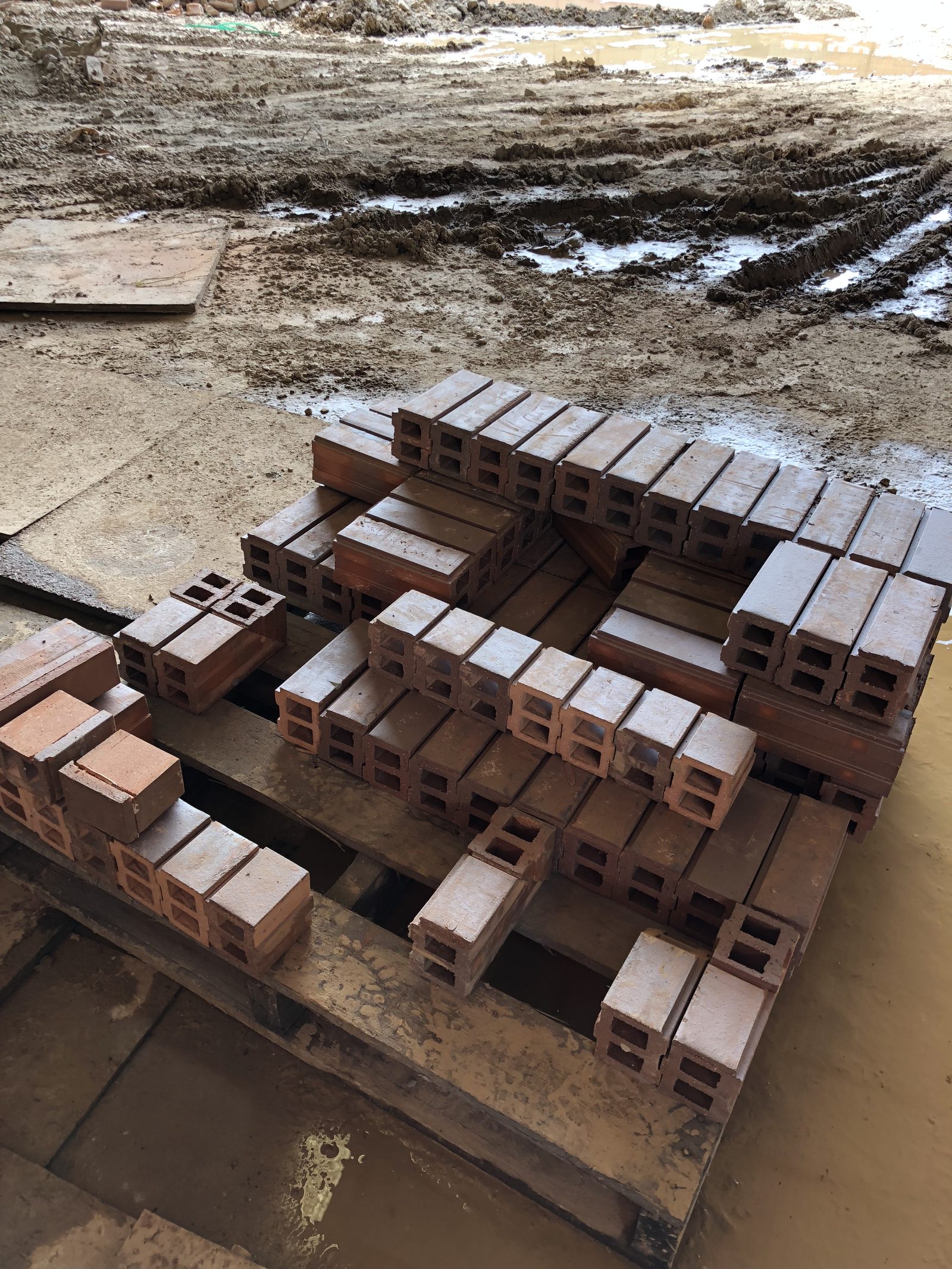
Fired-clay interlocking units have been physically produced
These photographs show earlier third-party fired-clay interlocking-brick development and are used with permission. They demonstrate that fired-clay interlocking units and wall assemblies have been physically prototyped. They are not presented as North Star's final production geometry.
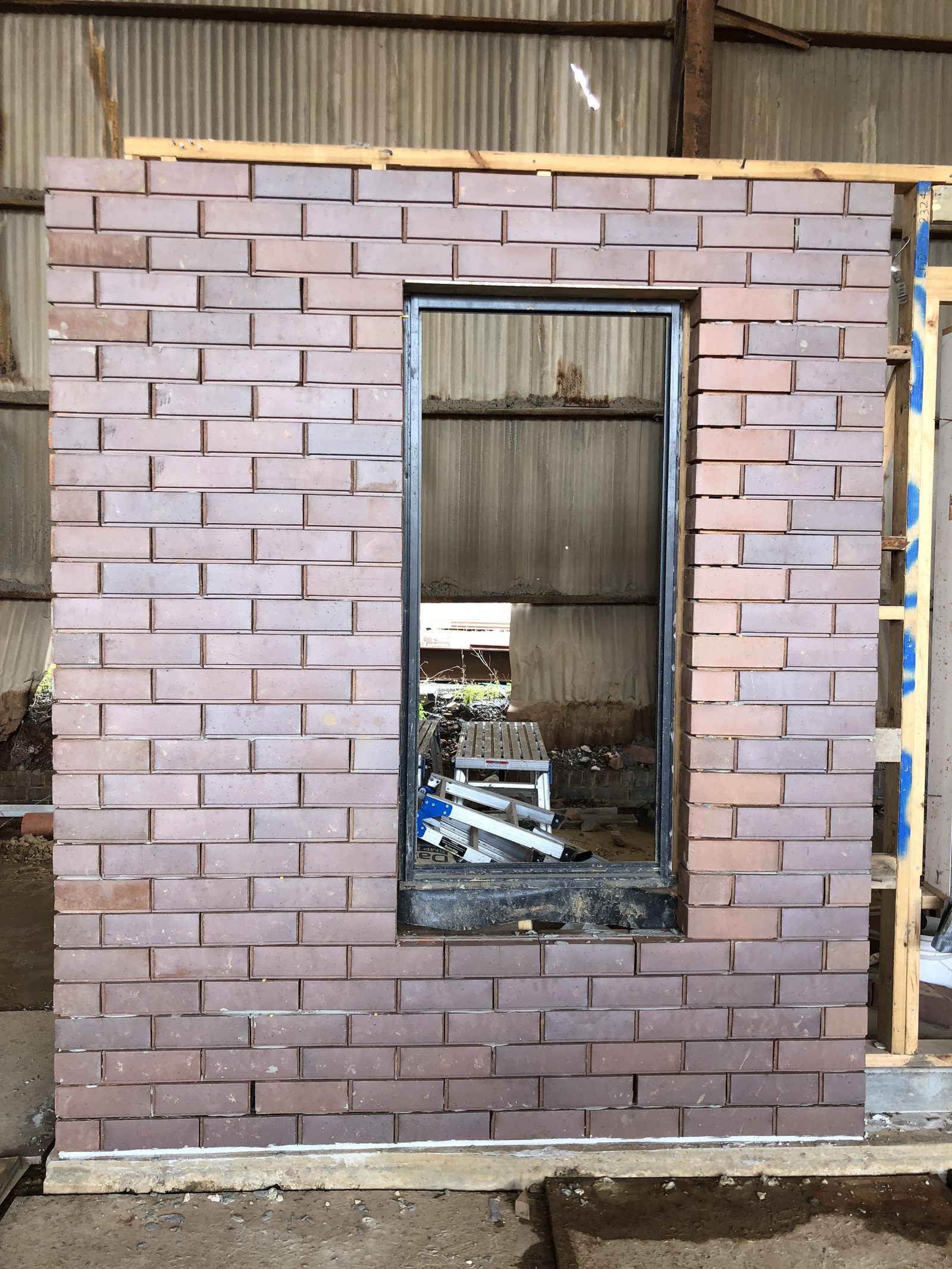
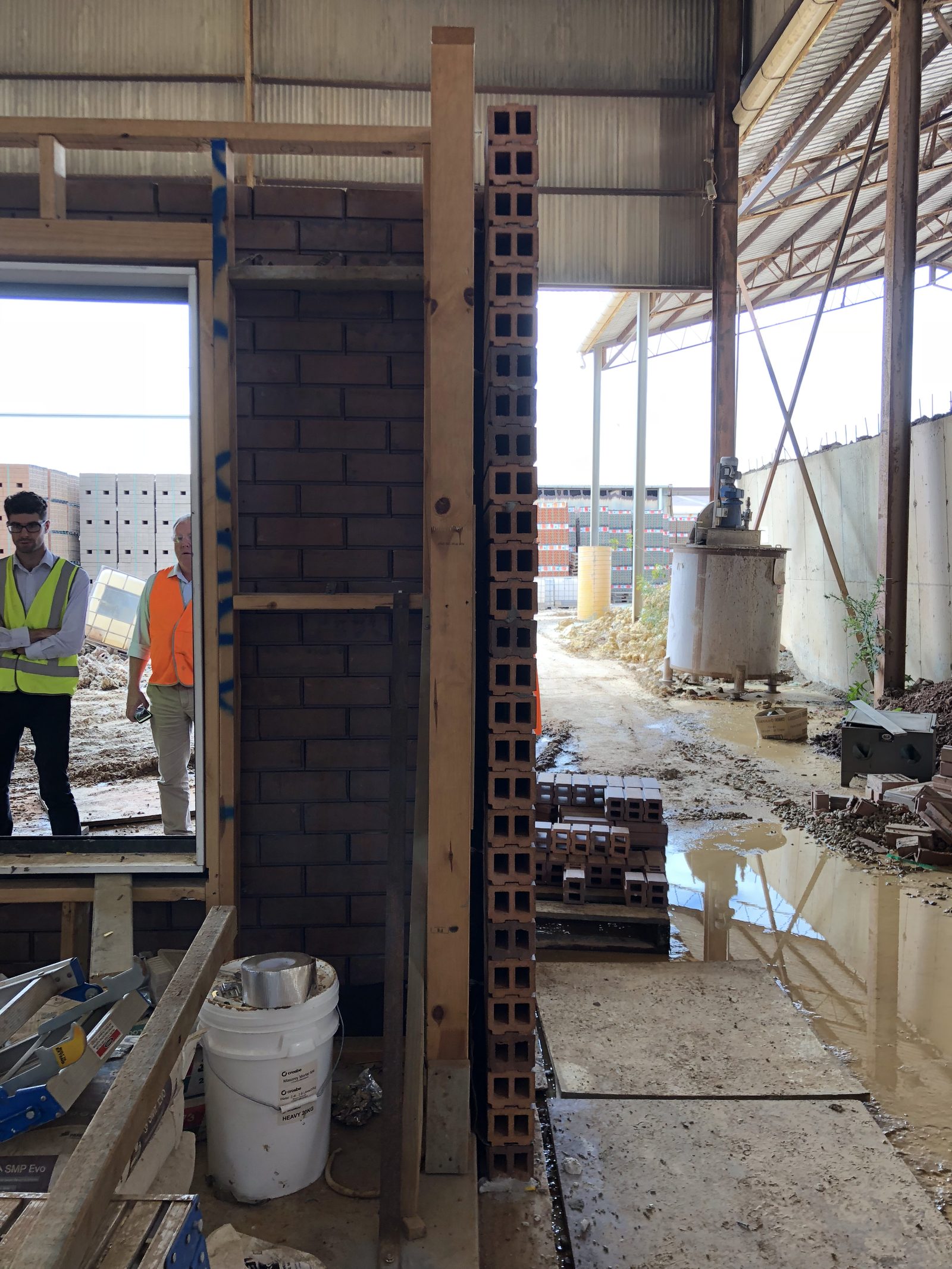
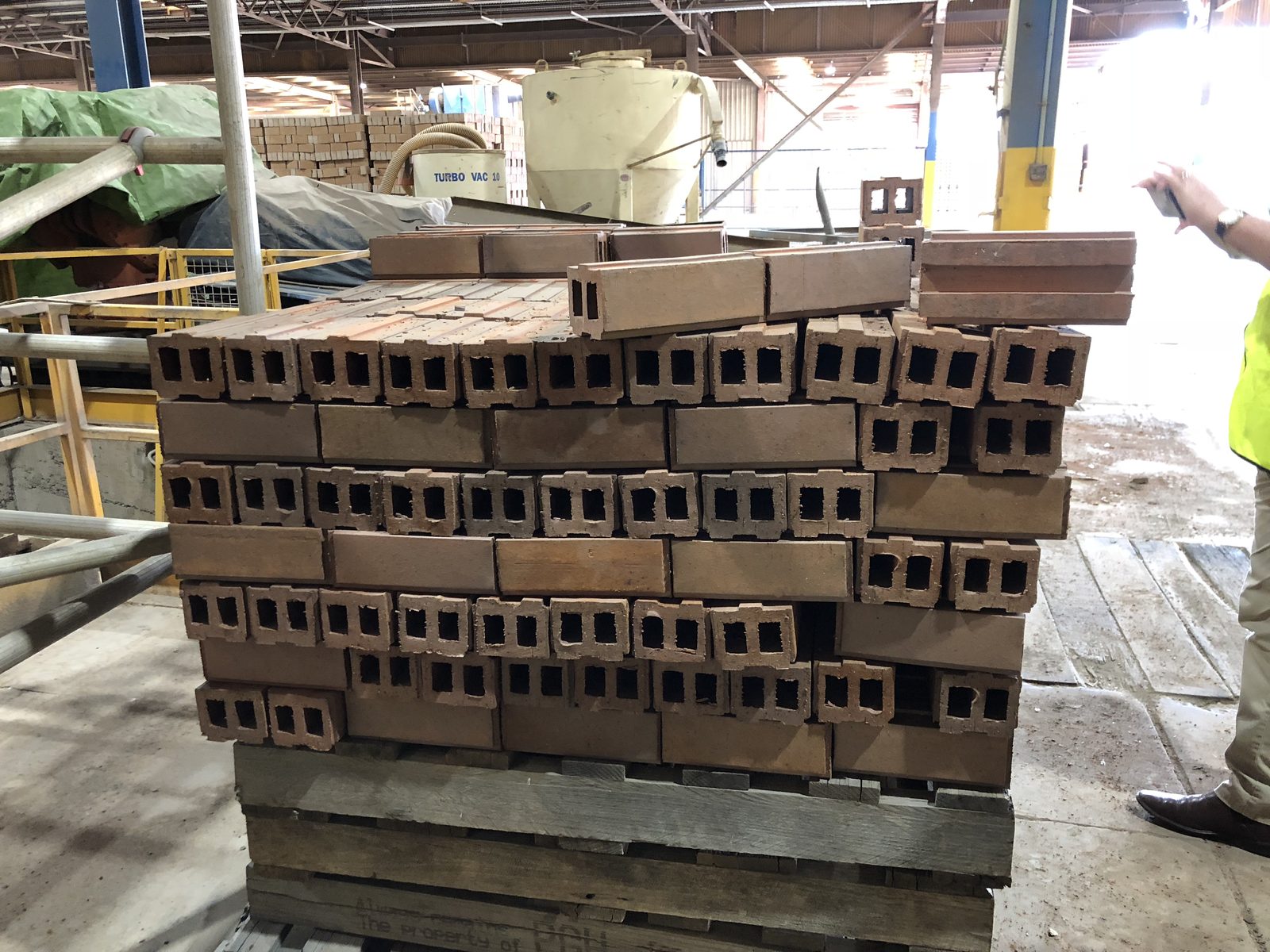
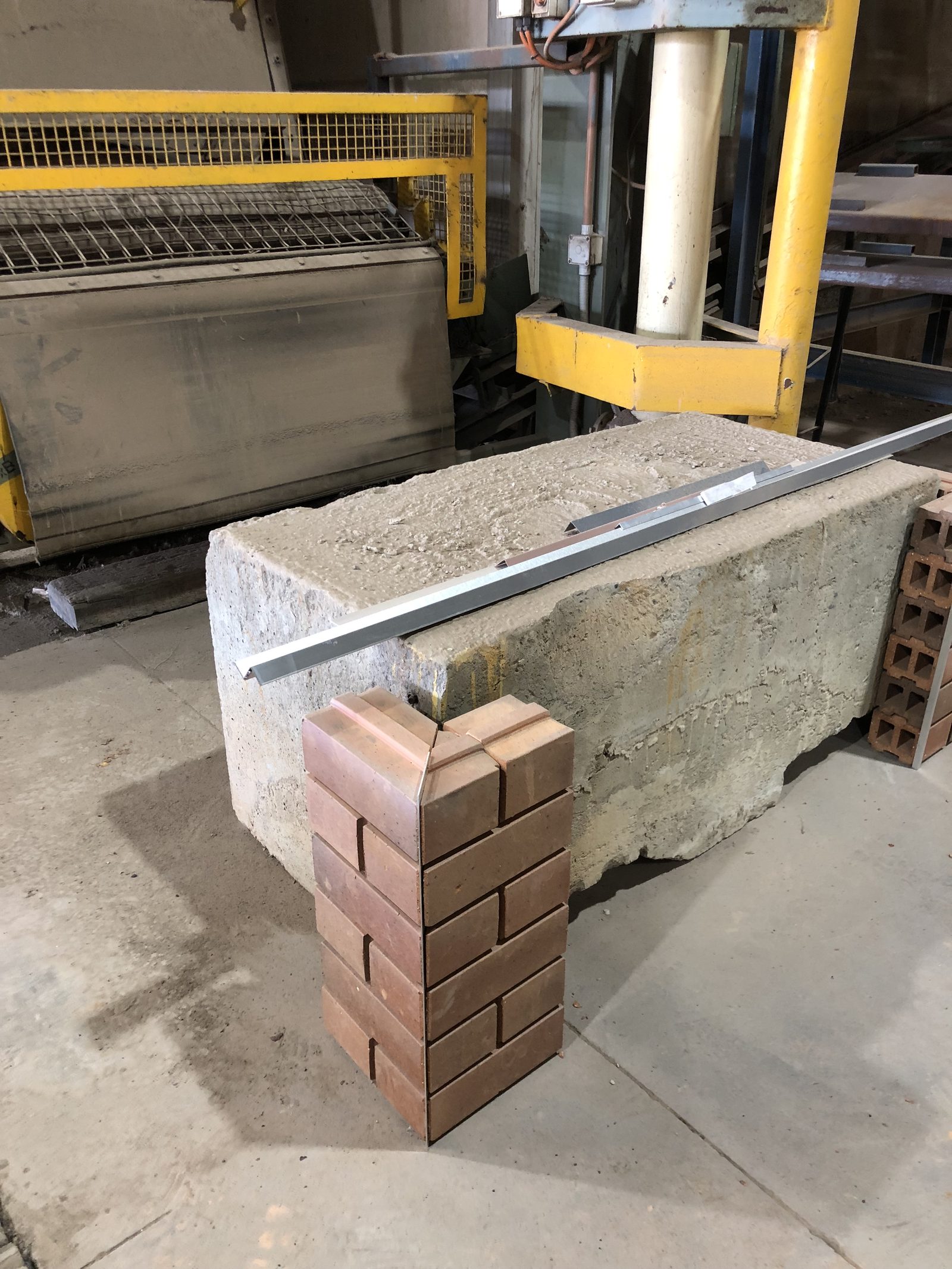
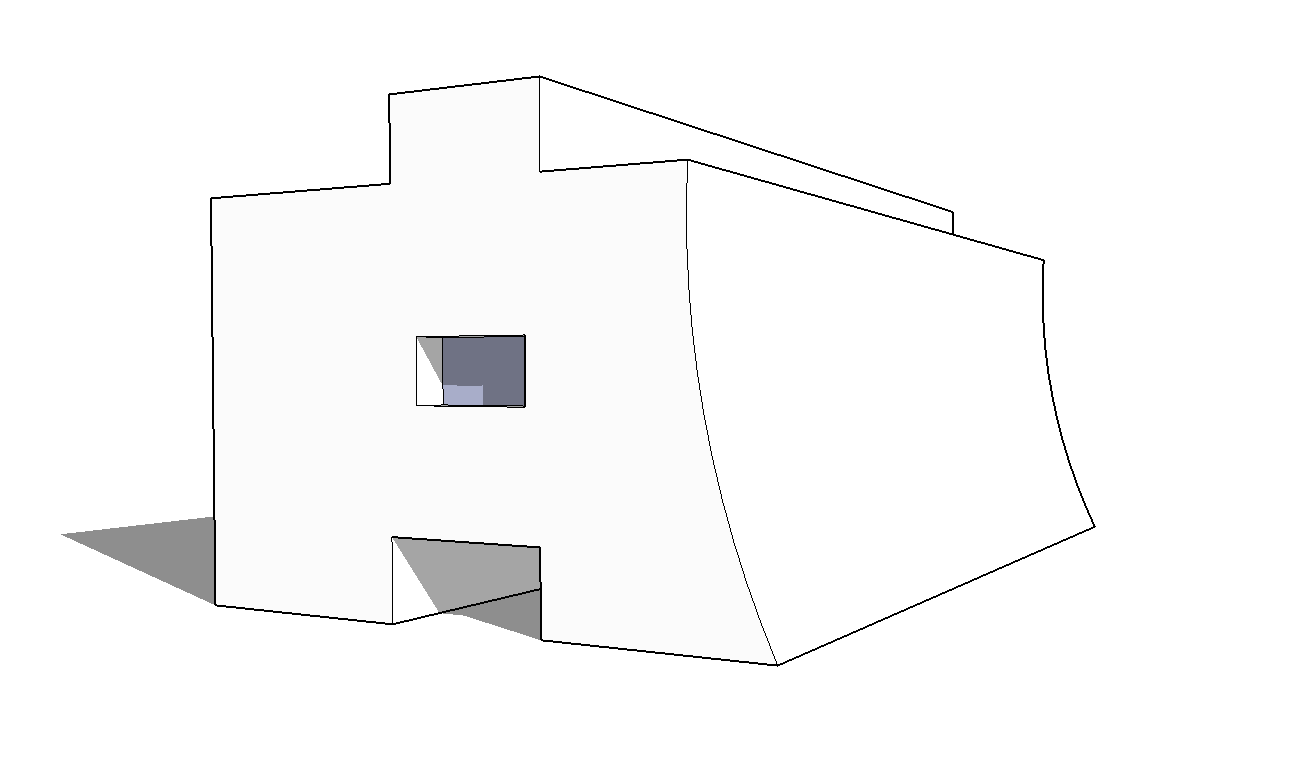
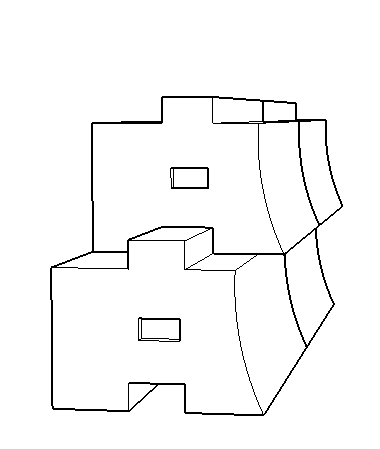
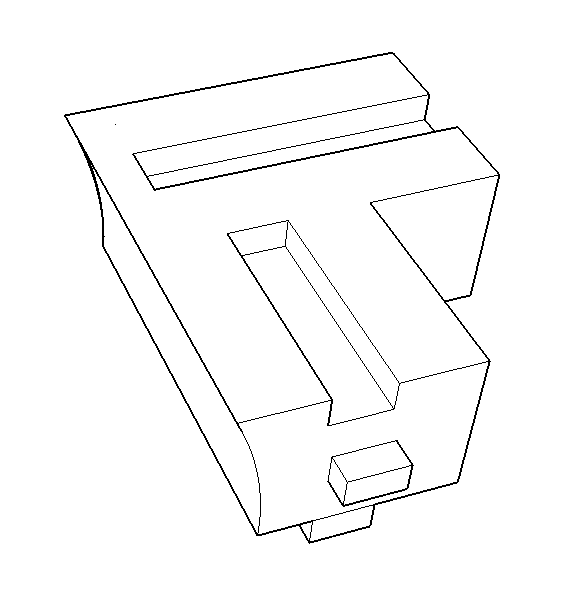
The renderings below show North Star's own concept geometry for an interlocking dry-stack fired-clay unit at a high level. They are CAD illustrations of a development-stage design, not photographs of a manufactured product and not the final production geometry. Final geometry will be determined through manufacturer review, tooling constraints, and testing.
Manufacturing Partnership
A new fired-clay product category, built with an established manufacturer
North Star is seeking an established fired-clay manufacturer capable of taking a dry-stack masonry concept through manufacturability review, tooling, pilot production, testing support and commercial-volume production.
| # | Manufacturer Scope |
|---|---|
| 1 | Reviewing a dry-stack unit for manufacturability |
| 2 | Adapting geometry to extrusion/forming requirements |
| 3 | Developing tooling or an extrusion die |
| 4 | Producing a pilot run |
| 5 | Controlling firing and dimensional consistency |
| 6 | Participating in applicable material testing |
| 7 | Establishing commercial-volume pricing |
| 8 | Supplying the product directly or through an existing dealer/distribution network |
Why This May Matter to a Manufacturer
- A potential new fired-clay product category
- Differentiated around reduced installation labor
- Target markets include multifamily, education, institutional and commercial construction
- North Star develops market and project relationships
- Manufacturer uses existing manufacturing expertise and distribution infrastructure
- Pilot first - no assumption of immediate full-scale commitment
North Star's role is market development, product commercialization, project origination, contractor/architect relationships, specification adoption, and commercial promotion. The manufacturer does what an established brick manufacturer already does.
North Star does not intend to purchase a brick plant, warehouse brick, operate trucks, or become a conventional brick distributor. North Star intends to develop the market and project relationships; production and fulfillment would sit with an established manufacturer, directly or through its existing distribution network. The final commercial structure is still being developed. North Star's role is market developer / commercialization partner, not distributor of record.
What Has to Be Proven
Testing and specification
| Question | How We Answer It |
|---|---|
| Can it be manufactured reliably? | Pilot production |
| Are dimensions repeatable after firing? | Production QC |
| Is the brick strong/durable enough? | Unit testing under applicable fired-clay masonry standards |
| Water performance of the wall system? | Wall-system weather testing |
| How fast can contractors install it? | Full-scale mock-up |
| What does it actually cost installed? | Independent contractor time study |
| Can architects specify it? | Engineering + specification package |
Anticipated unit testing will be evaluated under applicable fired-clay masonry standards, potentially including ASTM C216 or C652 and ASTM C67/C67M test methods, with the final test program established by the manufacturer, testing laboratory and project engineer. Wall-system testing and project-specific engineering will address weather performance, attachments, openings, corners and other conditions required for specification and code review.
From Prototype to Product
- Manufacturer review
- Tooling / die
- 5,000-20,000 unit pilot run
- Material testing
- 500-1,000 SF wall mock-up
- Contractor productivity study
- Engineering/specification package
- First project
- Commercial production
Pilot quantities are planning assumptions and can change.
Markets
Large repetitive wall areas make labor productivity important
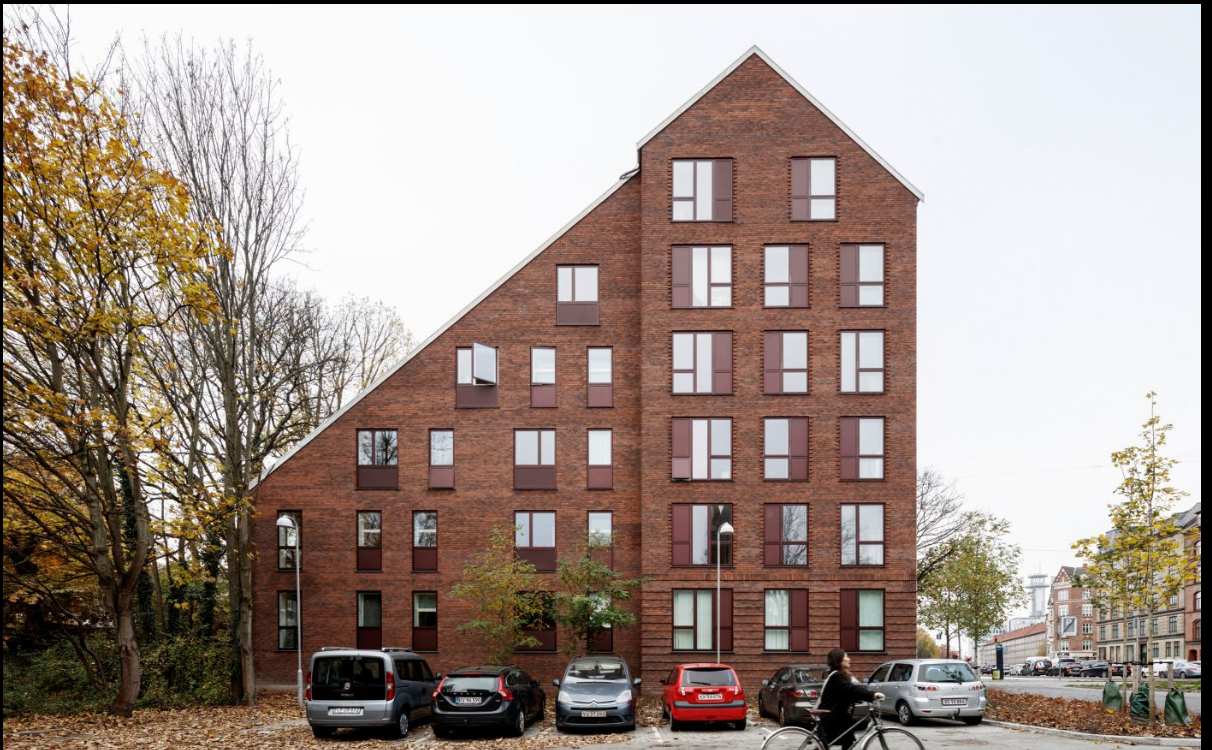
Multifamily
Large repetitive wall areas make labor productivity important.

Education
Schools, universities, dormitories and institutional buildings value durable facades and long service life.
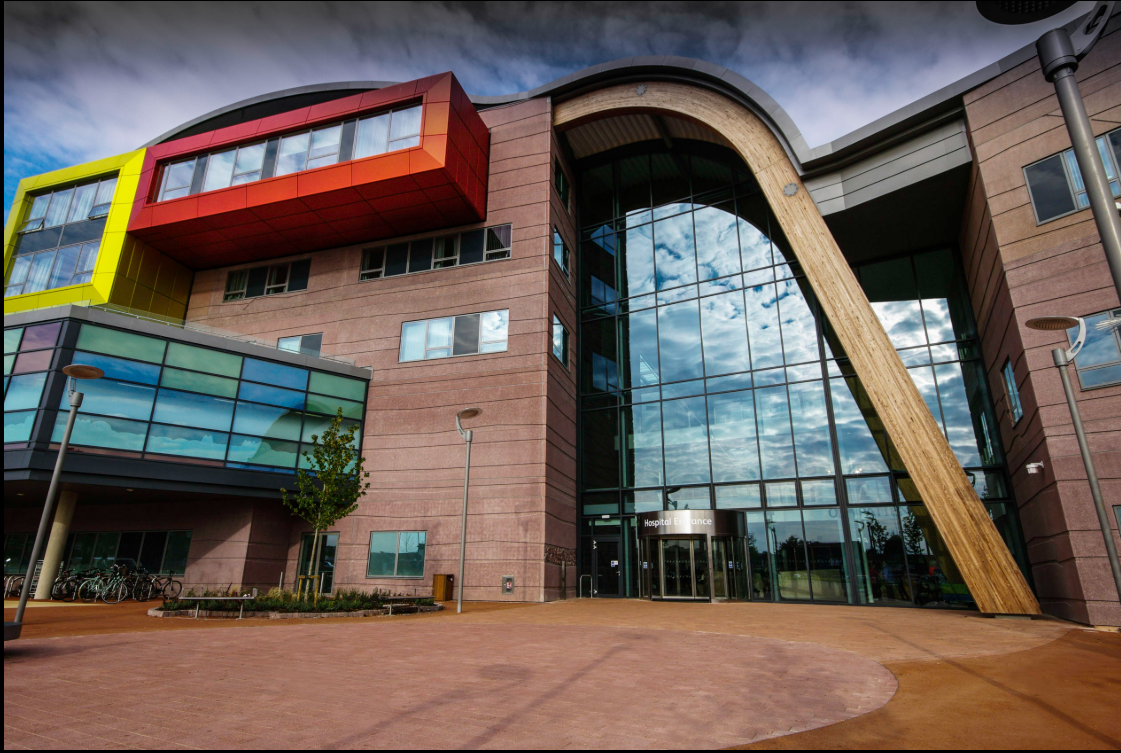
Institutional / Public
Housing authorities, public facilities and other long-term owners can benefit from durable exterior materials and lower life-cycle maintenance.
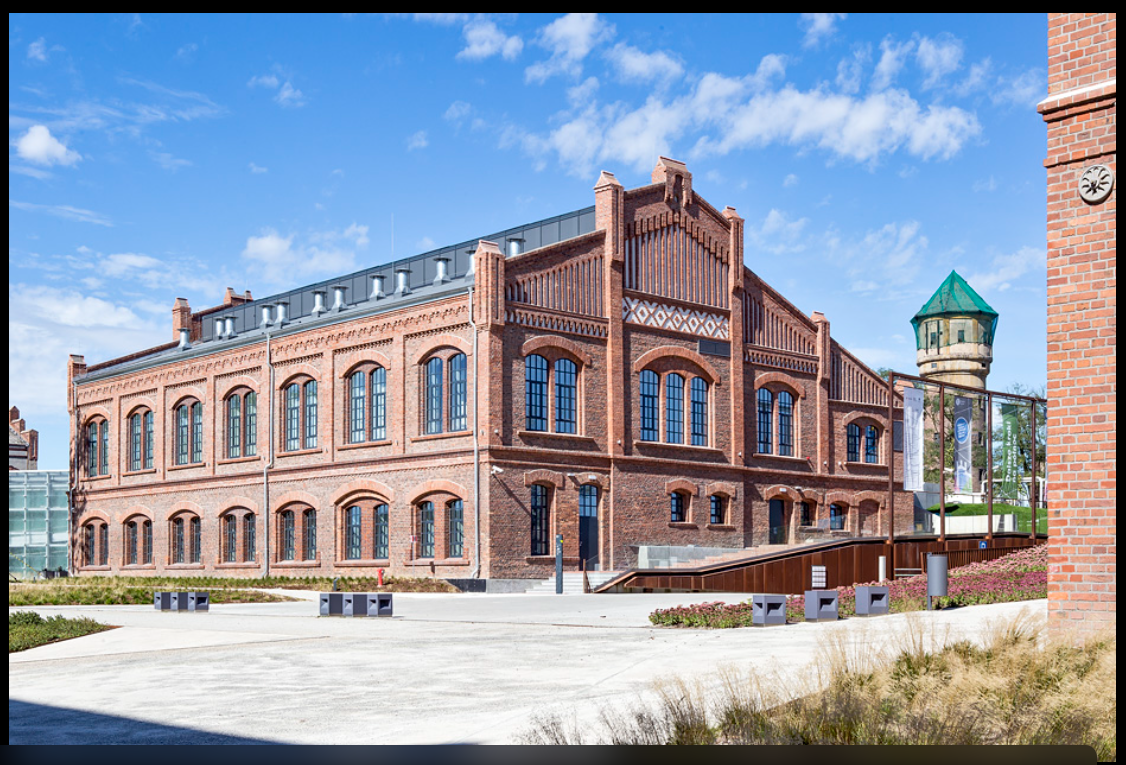
Industrial / Commercial
Dry-stack fired brick may compete particularly well where owners want a better architectural facade than basic tilt-up or CMU/stucco.
International Housing SECONDARY
International projects may ultimately use fired clay, compressed earth, concrete or another material depending on local economics and manufacturing. See international / alternative materials work →
Patent-Pending Development
Improvements, not an invention claim on dry-stack masonry itself
North Star Group is developing patent-pending improvements to dry-stack masonry intended to improve constructability, weather management and commercial usability. Final production geometry will be determined through manufacturing review, testing and field trials.
| Application | U.S. Provisional Application No. 63/955,346 |
| Filed | January 7, 2026 |
| Status | Provisional - not an issued patent |
North Star did not invent the concept of interlocking or dry-stack brick. Dry-stack/interlocking masonry has existed and been investigated for decades. North Star's patent-pending work covers development-stage improvements related to the wall system, including interlocking and integrated water-management concepts - not the underlying dry-stack principle.
Why North Star
Market Development Organization
North Star Group combines development, construction, finance and technical innovation experience. The team has worked at national scale across retail development, commercial real estate, housing and institutional construction. North Star's technology portfolio includes 11 granted U.S. patents and additional patent-pending development work.
Contact
Brick manufacturers, architects, contractors, universities and developers - get in touch.
Contact North Star